America’s Best Idea — Sabotaged
Political theater, plus Dracula, board books, and library joy

If yesterday was closing a book, today is opening a new one.
Every Friday, I’ll post about books, writers and whatever’s rattling around our literary culture (and my head).
I’m learning this platform as I go along, so excuse a few torn pages and ink smudges along the way.◆

At yesterday’s National Prayer Breakfast in Washington, Donald Trump delivered a speech that wandered for 40 years in the desert of vanities and grievances. If nothing else — and surely there was nothing else — the president’s spectacle would have made a confirmed atheist pray.
In her introduction, Paula White-Cain, senior adviser to the White House Faith Office, claimed Trump is “the GOAT — the greatest of all time, the greatest champion of faith that we have ever had in the executive branch.”
Personally, I wouldn’t call my boss a goat in a room full of Bible-reading folks, but I don’t have White-Cain’s faith in the power of cloven-hoofed praise.
In any case, for much of Trump’s threadbare harangue, it wasn’t obvious that he knew he was at a prayer breakfast. Like a fly buzzing around a corpse, he droned on about the rigged election; fake news; tariffs; “clean, beautiful coal”; the handsomeness of his soldiers (“They all look like Tom Cruise, only bigger”); wars he’d ended; terrorists he’d vanquished; phone calls he’d taken at 3 a.m.; and, of course, Sleepy Joe Biden, “who had no idea he was president.”
One waited in vain for some reflection on a Bible passage, an anecdote of religious experience or a spiritual insight — anything some aide could have scribbled onto the teleprompter that Trump periodically returned to in flashes of lucidity.
Instead, the president claimed, “Quite simply, prayer is America’s superpower,” a conception of prayer so facile and so irreligious as to be meaningless.
If it weren’t already obvious that this supposedly ecumenical breakfast was, in fact, a political rally tarted up in stained vestments, Trump said, “I don’t know how a person of faith can vote for a Democrat. I really don’t.”
It was the president at his worst — using, once again, what is sacred to defame and divide. In the words of Proverbs, “As a dog returneth to his vomit, so a fool returneth to his folly.”
But Secretary of War Defense Pete Hegseth rose to bring the attendees to Jesus, literally. “America was founded as a Christian nation,” Hegseth claimed. “It remains a Christian nation in our DNA, if we can keep it…. Unafraid and unabashed, in this fight, we must remember every single day, especially, especially in this town, that all power, all honor, and all glory belongs to our Lord and Savior, Jesus Christ. Christ is king.”
Prayer, not to mention breakfast, would seem hard to abuse for political purposes. This administration is determined to try.
I wish the politicians who were there, poking at their scrambled eggs and wanly applauding the platitudes, would spend a couple hours reading a recent little book called “America’s Best Idea: The Separation of Church and State,” by Randall Balmer.
A professor of religion at Dartmouth and an Episcopal priest, Balmer offers both historical and spiritual insight. His prose might not inspire anybody to feel slain in the spirit, but a long side hustle writing newspaper commentaries gives him a clear, unacademic style that’s deeply persuasive.
His thesis points to America’s success: A passionate, religiously diverse society like ours needs a strict separation of church and state. The purpose, he emphasizes, is not just to protect the state from theological interference but to protect the church from political defilement.
That last point is too often ignored. Balmer specifically calls out Baptist leaders for abandoning their historic role as watchmen on the wall separating church and state.
To those, like Hegseth, who claim that the U.S. “is, and always has been, a Christian nation,” Balmer says: “That assertion is demonstrably false.” And then in a series of short, convincing chapters, he takes us through the history of this “holy experiment” in the varieties of religious and political experience.
He explains Madison’s strict insistence that government stay out of the faith business, Washington’s disgust with religious factionalism, and Adams’s negotiation of the Treaty of Tripoli, which states, “The government of the United States of America is not in any sense founded on the Christian Religion.” The Senate ratified that treaty without debate or opposition in 1797.
Near the end, Balmer dismantles the Right’s insistence that a “secular majority” is infringing on religious freedom. Remember, he says, that the contemporary battle began not over abortion, but over Black students. What conservative schools called religious liberty was simply “freedom to discriminate — at taxpayer expense.”
Balmer reminds us that he’s not “a secularist trying to root out all expressions of religion but someone who believes along with Roger Williams that religion functions best from the margins and not in the councils of power, that the integrity of the faith suffers from too close an association with the state.”
At times, this book sounded so relevant to yesterday’s prayer breakfast that the pages felt sticky with pancake syrup.
Efforts to push state-sanctioned prayers on students, spend taxpayer money on religious schools and allow religious leaders to become, in essence, tax-exempt lobbyists all flow from the same pernicious misconstruction of American liberty.
“Religion has flourished in the United States as nowhere else in the world precisely because the government has stayed out of the realm of religion, and vice versa,” Balmer writes. “Despite the Religious Right’s persistent attempts to circumvent it, the First Amendment is the best friend that religion ever had.”
Can I have an amen?◆
Books Go to the Movies
Proving that no stake is good enough, a new movie version of Bram Stoker’s classic rises today from the crypt. Caleb Landry Jones stars as the old blood sucker in “Dracula: A Love Tale,” directed by Luc Besson. Reportedly, this account emphasizes the Count’s romantic side. Meanwhile, if you’re in London, you can catch Cynthia Erivo playing all 23 roles in “Dracula” at the Noël Coward Theatre (Feb. 7-May 30).
In “Pillion,” which opens today, Alexander Skarsgård — a former vampire in “True Blood” — plays a cocky biker who initiates a BDSM relationship with an introverted young man portrayed by Harry Melling, better known to millions as Dudley Dursley in the “Harry Potter” films. But do not take children to “Pillion” (trailer). The movie — “a dom-com” — is based on Adam Mars-Jones’s 2020 novel “Box Hill.”
The fourth season of “The Lincoln Lawyer,” starring Manuel Garcia-Rulfo, is streaming on Netflix (trailer). This legal drama is adapted from Michael Connelly’s novels about defense attorney Mickey Haller, which began in 2005. The new season is drawn from Connelly’s sixth Haller novel, “The Law of Innocence” (2020).◆
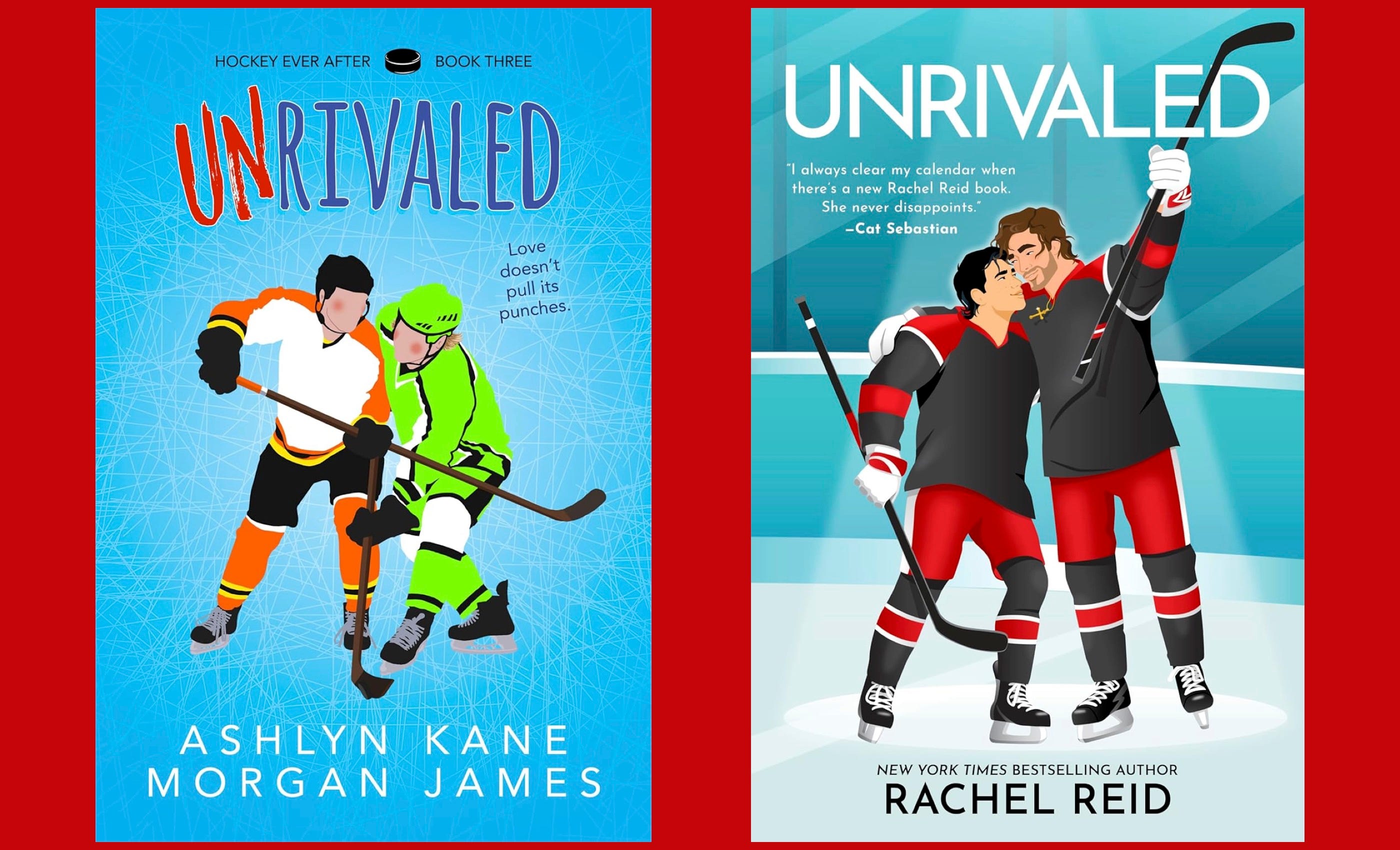
All’s Fair in Love and Ice. As “Heated Rivalry” continues to warm up ratings on HBO Max, Rachel Reid has announced an upcoming book in her Game Changers series that inspired the show. The new installment, “Unrivaled,” will be published Sept. 29.
To romance fans, particularly fans of romances involving male hockey players, that might sound like a rematch. In 2023, Ashlyn Kane and Morgan James published a novel in their gay Hockey Ever After series also called “Unrivaled.”
But Kane’s happy to welcome everybody to the rink: “I’m absolutely thrilled for more Rachel Reid books,” she tells me. “Her success is contagious, and I wish her even more of it.”
These guys aren’t just fooling around: News Corp., which owns HarperCollins, reports that “stunning sales of ‘Heated Rivalry’” helped raise revenue 6 percent in the second quarter.◆
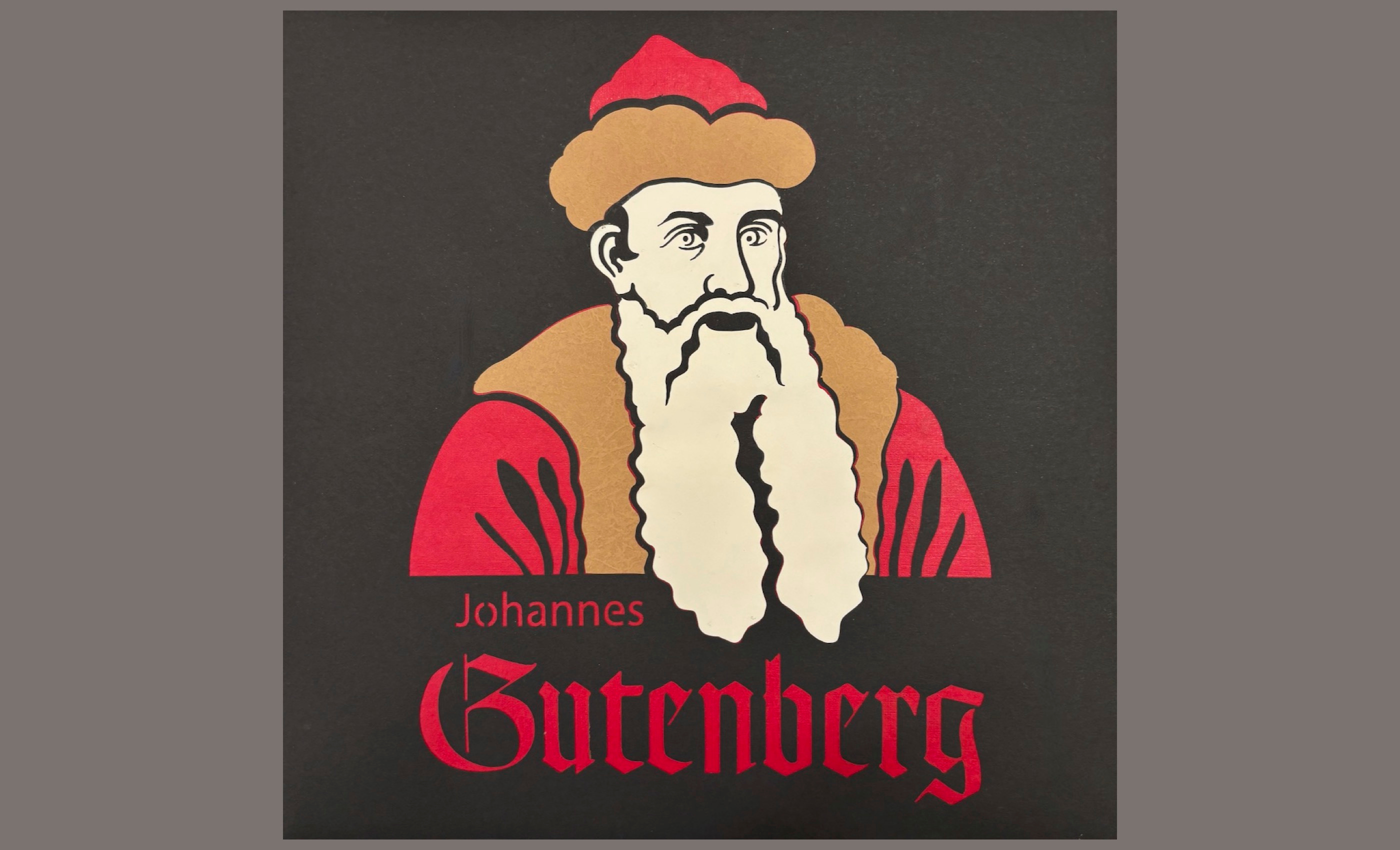
Just eight days to go. If your Valentine is a crusty old book fanatic — no judgment here — I have the perfect card.
It comes from the Museum of Printing in Haverhill, Mass. This nonprofit organization was incorporated in 1978 to preserve the history of printing, graphic arts, and typography.
I haven’t been there — yet — but what caught my eye was a Facebook video of a large pop-up card dedicated to Johannes Gutenberg. When you open the card, Gutenberg and his revolutionary printing press spring up from the center.
An illuminated page from Genesis in the Gutenberg Bible appears on the right-hand side.
The Museum of Printing gift shop does very little mail-order business, but if you write to President Frank Romano at fxrppr@gmail.com and make a $25 donation, he’ll send you a Gutenberg card (US only).
It’s a delightful demonstration of paper-engineering and a clever tribute to a technological innovation that ushered in the Renaissance. What Valentine wouldn’t be impressed with that?◆
Picture This
Last year in The New York Times, Caldecott Medalist Jon Klassen defended the artistic sophistication of board books, those stiff little volumes made from thick slabs of cardboard (essay). One of the magical creators he singled out — he called her “a witch,” in a nice way — was Sandra Boynton.
“Boynton understands how to make her audience want to turn the page to see what’s next, maybe for the first time ever in their lives,” Klassen wrote. “Her characters always look a little confused to be there, and the world it all adds up to is rich and memorable.”
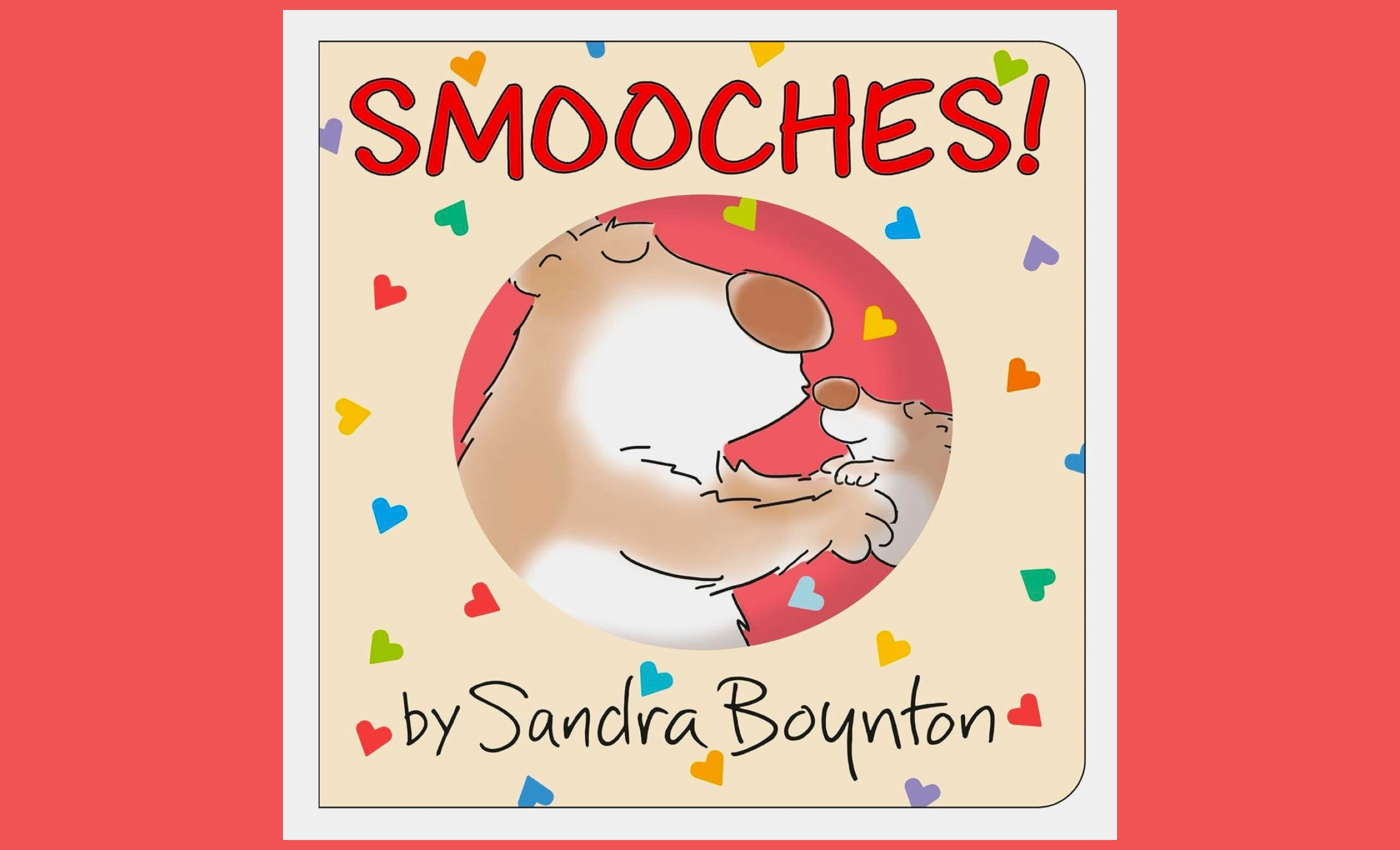
Boynton’s recent “Smooches!” earns another chef’s kiss. This little book about wonder and love is perfect for someone’s first Valentine’s Day.
Across the colorful pages, a big bear encourages a little bear to build, read, and explore. With a lot of sweet smooching in between.
Ah, little bear!
So brave and so bright!
There are times in a day
when a smooch is just right.
Exhausted parents will appreciate that this lovely rhyming book ends with a peaceful bedtime and sweet dreams.◆
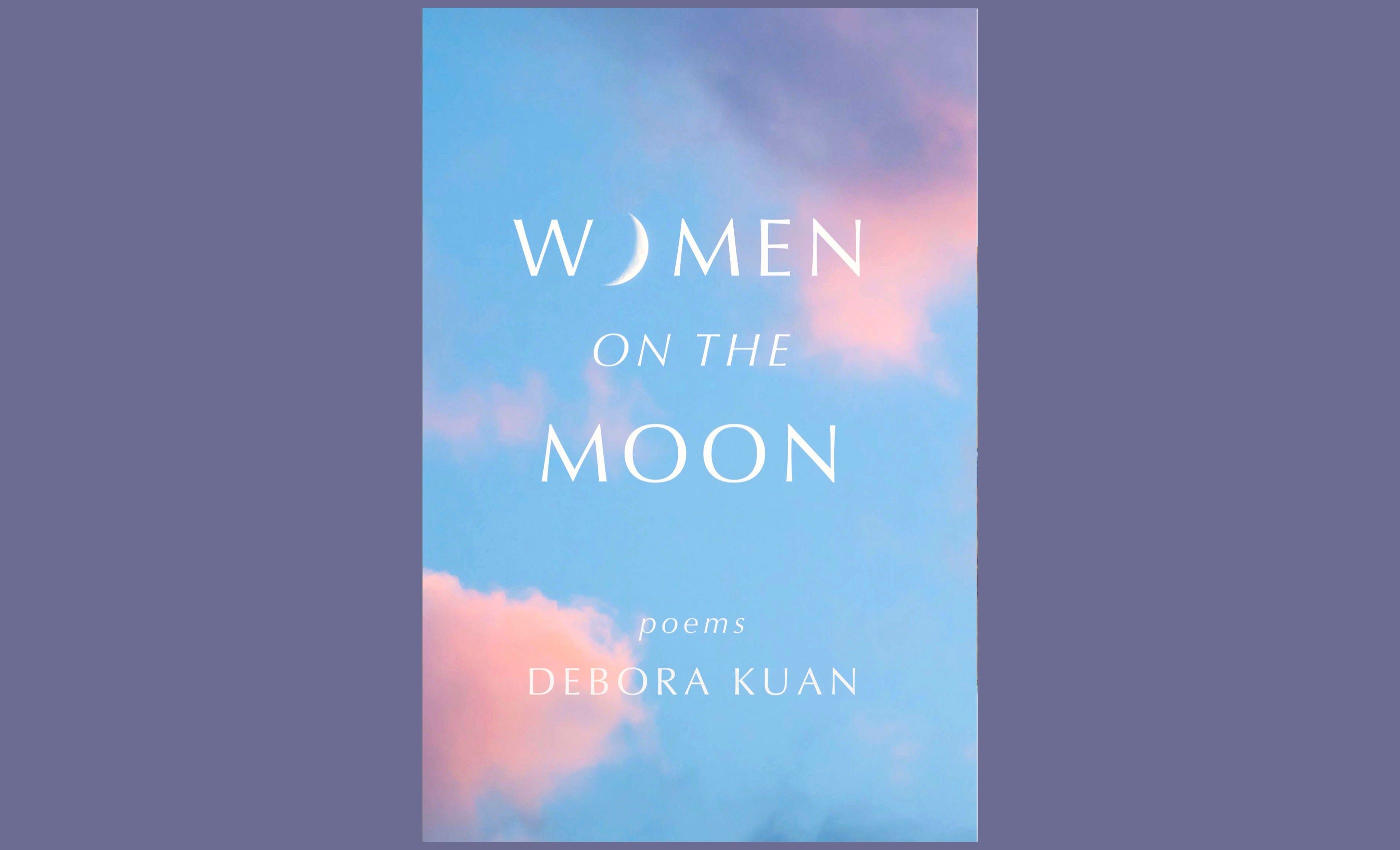
When I first reached out to Debora Kuan, I didn’t know just how relevant this poem would become to me. It appears in her third and most recent collection, “Women on the Moon.”
The Night After You Lose Your Job
You know sleep will dart beyond your grasp. Its edges
crude and merciless. You will clutch at straws,
wandering the cold, peopled rooms of
the Internet, desperate for any fix. A
vapor of faith. An amply paid gig, perhaps,
for simply having an earnest heart or
keeping alive the children you successfully
bore. Where, you’d like to know,
on your résumé do you get to insert
their names, or the diaper rash you lovingly cured
with coconut oil, or the white lies you mustered
about the older man in the cream-colored
truck that glorious spring day, who hung his head
out the window and shouted, “Coronavirus!”
while you were chalking unicorns
and seahorses in the drive? Where
do you get to say you clawed through
their night terrors, held them through their sweaty
grunting and writhing, half-certain a demon
had possessed them, and still appeared
lucid for a 9 a.m. meeting, washed, combed, and collared,
speaking the language of offices?
At last, what catches your eye is posted large-
font and purple: a local mother in search
of baby clothes for another mother
in need. Immediately your body is charged,
athletic with purpose, gathering diapers,
clothes, sleep sacks, packing them tightly in bags.
You tie the bags with a ribbon and set them
on the porch for tomorrow. Then you stand
at the door, chest still thumping wildly, as if
you have just won the lottery —
and so you did, didn’t you?
You arrived here, at this night, in one
piece, from a lifetime of luck
and error, with something necessary to give.
Excerpted from “Women on the Moon.” Copyright © 2023 by Debora Kuan. Published by Word Works Books. Reprinted with permission of the author. All rights reserved.◆
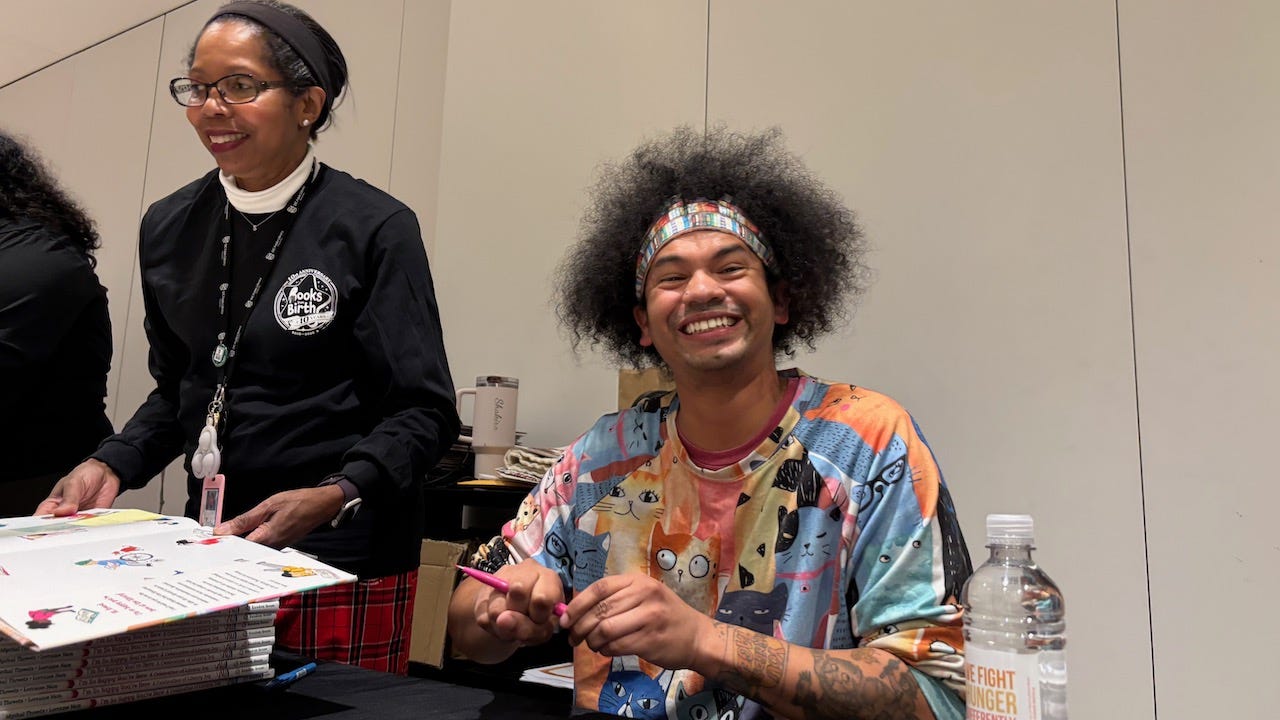
On Wednesday, after a full day of rattling around the house, contemplating my new life as an unemployed person, I was so jumpy I could’ve churned cream into butter with my bare hands.
So I set out to the MLK Jr. Library in D.C. to spend the evening with a gaggle of equally squirmy kids and their infinitely patient parents.
The occasion was the appearance of Mychal Threets, who rose from Instagram fame to become America’s favorite librarian and now hosts the revived “Reading Rainbow” (YouTube). He was on hand to introduce his debut picture book, “I’m So Happy You’re Here: A Celebration of Library Joy” (ages 4-8).
The book, illustrated by Lorraine Nam, describes the public library as a place of surprising wonders for everybody.
Threets is an unusually open-hearted presence. Like many people who work with children, there’s a distinct difference between the intense enthusiasm he shines on his little fans and the quiet persona he displays offstage.
“I was afraid I would be the only one in my pajamas!” he told about 100 children wearing their PJs and paper crowns.
His sincerity is so earnest it’s raw. Kids feel it. Everybody feels it. Everything he says is pitched to maximum joy, but there’s a kind of pleading in that pitch, a sense of the brutal world he’s pushing back against.
“All of you are valued readers if you’re reading anything at all!”
“I’m a cat person, but if I could have a T-rex, I would have one of those!”
What’s most startling, though, is how naturally he speaks to children about real struggles, including his own. “We’re living at a time when kids don’t have access to enough books,” he said. The one detail he insisted the illustrator include was a child without a home — a reflection of how often he’s seen kids experiencing homelessness find refuge in libraries.
Threets also spoke briefly but frankly about having panic attacks and experiencing severe depression as he deals with being neurodivergent. “It’s okay to not be okay,” he said, “and the library is a perfect place to begin your journey toward being okay.”
Could there be anything more joyful than that?◆
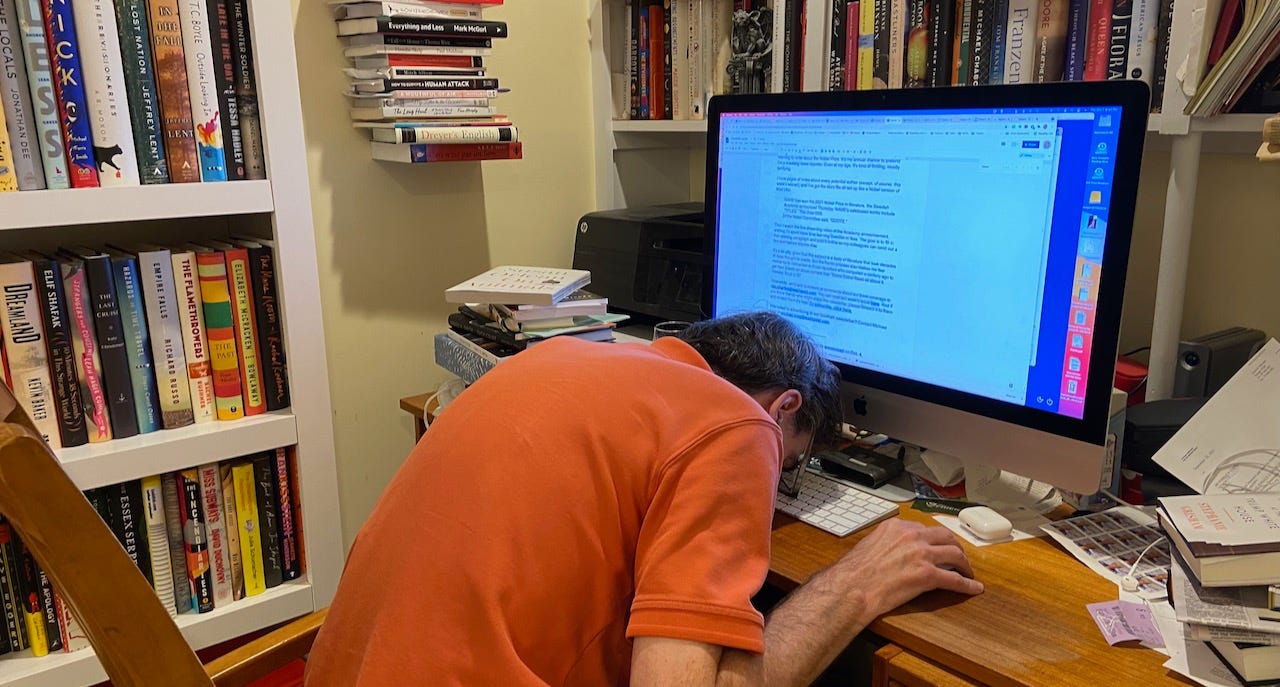
That, my friends, was a crazy week.
Thanks to everyone who’s subscribed. If you’re enjoying this, please tell your friends. If you’re able to pledge a few dollars a month, it would help keep this going once I turn payments on. Otherwise, I’m back to selling plaid pants and jackets at The Tartan Corner.
P.S. If you missed yesterday’s note about what prompted this new chapter, you can find it here.
I can’t believe you were able to produce this magic today with everything else that’s going on in your world. Your newsletters were always one of my favorite parts of the week.
(Although I always wondered how one human being knew so much.)
Thank you for keeping your delightful newsletter alive!