The Right to Make Noise
A vivid history of protest arrives as American leaders grow increasingly hostile to dissent.

“Never, ever be afraid to make some noise and get in good trouble, necessary trouble.”
               — John Lewis
Oil companies call them terrorists.
Sen. Ted Cruz wants to prosecute their organizers like mobsters.
Florida lawmakers have suggested drivers can run them over.
For a nation launched by vandals in Boston Harbor, America has grown obsessed with silencing, punishing, even killing protesters.
On Monday, Sen. Andy Kim was pepper sprayed by ICE agents outside a New Jersey detention facility he had come to inspect.
During a White House cabinet meeting later in the week, Homeland Security Secretary Markwayne Mullin complained that “radical left Democrats” had protested outside the compound holding criminals and sexual predators — which seems like a risky thing to say with Trump sitting right there.
But like some hoary parrot, the president called the protesters “fake” and “paid for.”
Such worn efforts to delegitimize their actions won’t dissuade people determined to take Henry David Thoreau’s advice to heart: “Let your life be a counter friction to stop the machine.”
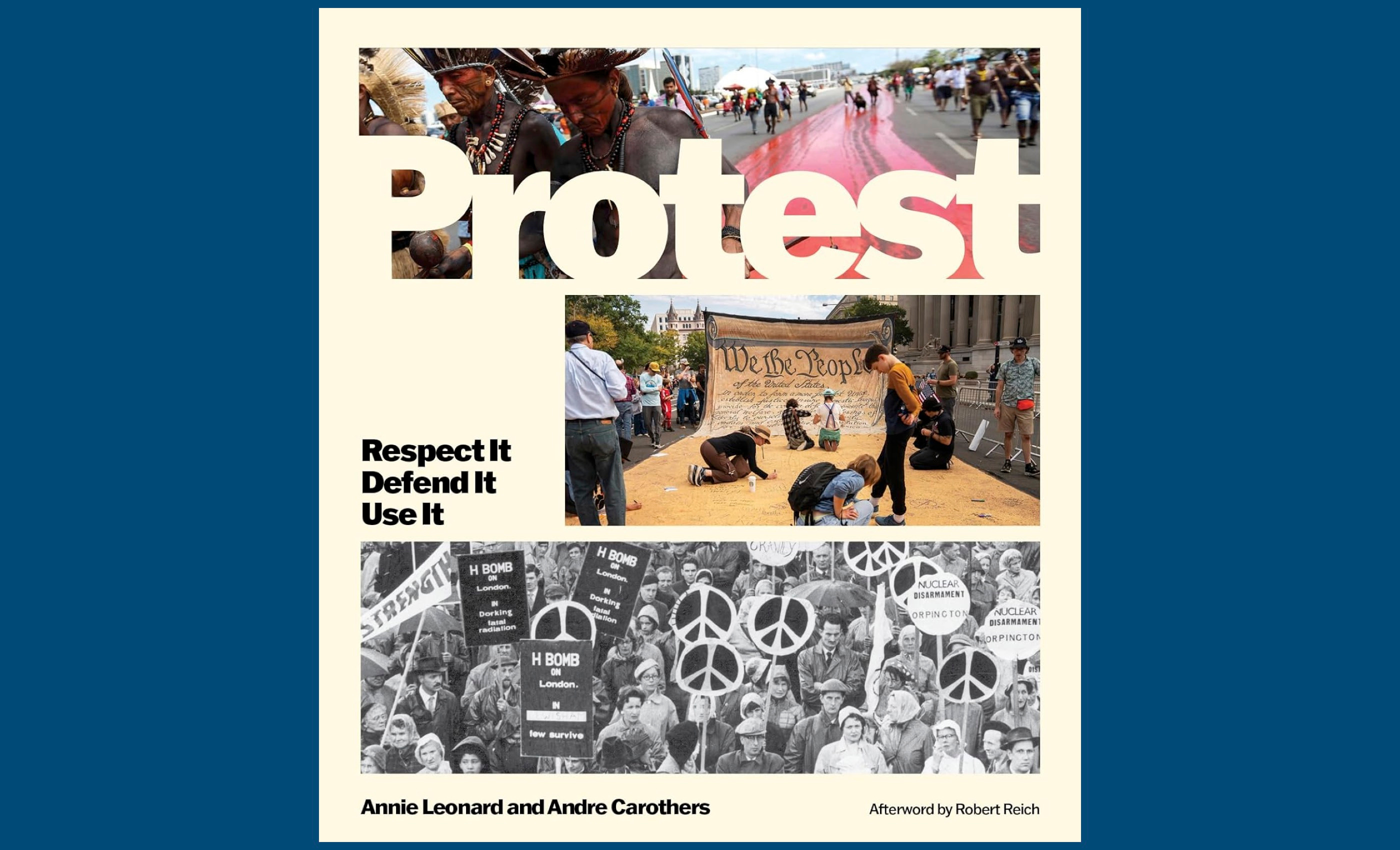
“It’s precisely because protest works that it is under threat,” writes Annie Leonard in her introduction to Protest: Respect It, Defend It, Use It. As a former executive director of Greenpeace US, Leonard has spent years advocating for the environment and the rights of activists.
In Protest, she and co-author André Carothers, a fellow Greenpeace activist, present a moving survey of the great protests and protesters of the last three centuries.
“Over the last decade, restrictions on the rights to free speech and peaceful protest around the world have steadily increased,” Leonard writes, “leading to what some call a free speech recession.”
Authoritarians operating within democracies follow a few basic tactics: demonize dissenters; harass them with regulatory requirements; sue them into bankruptcy; and criminalize any inconvenience that demonstrations might cause.
The Trump administration assures us that protests will be tolerated if they’re neat, polite, and innocuous — which is to say, if they’re wholly ineffective.
Protest offers up a rogues’ gallery of folks who thumbed their noses at such intimidation. Each chapter — starting with the trailblazing abolitionist Benjamin Lay — includes an informative essay and archival photos.
You’ll find familiar figures like Mahatma Gandhi, Rosa Parks, and Greta Thunberg, along with famous events such as the first Earth Day, the 1999 WTO protests in Seattle, and the effort to stop the Dakota Access Pipeline near the Standing Rock Reservation.
I had forgotten about the giant condom stretched over Jesse Helms’s house in 1991 to call attention to the senator’s opposition to federally funded AIDS research.
Despite the help it would offer my own family decades later, I never knew about the Section 504 Sit-In. In 1977, more than 100 activists — some in wheelchairs — occupied San Francisco’s Federal Building to demand civil rights and accommodations for people with disabilities.
There’s also a rousing entry about Bree Newsome, who climbed a 30-foot flagpole in front of the S.C. Capitol and tore down the Confederate flag that had been used for generations to terrorize people like her. “You come against me with hatred and oppression and violence,” she yelled from the sky. “I come against you in the name of God. This flag comes down today.”
Between these historical entries are personal essays by Jane Fonda, Favianna Rodriguez, Rebecca Solnit, and others. Anti-fracking activist Dr. Sandra Steingraber writes about realizing that if she could survive cancer treatment to save herself, she could certainly survive two weeks in a county jail to save the planet. “Courage begets courage begets change,” she writes. “Find your superpower.”
That Protest is such an attractive and visually engaging book makes sense: It’s published by the clothing company Patagonia.
With so many corporations, media organizations, and even billionaires groveling before Trump, it’s refreshing to see a company remain vocally committed to its values.
I bet there’s an idealistic new graduate in your life who would love this book wrapped in recycled paper inside a Patagonia Black Hole Duffel Bag.
(And if you’re tempted to sneer at Patagonia’s well-heeled clientele, read Bruce Robbins’s Who’s Allowed to Protest?, which dismantles the reflexive effort to dismiss activists as privileged elites advertising their luxury beliefs.)
Protest is a reminder that our freedoms don’t inevitably arrive like spring.
“The arc of history does indeed bend toward justice,” Carothers writes. “We have the protesters to thank.”◆
The rest of the newsletter follows below.
Books Go to the Movies
Time and Water, directed by Sara Dosa, opens in U.S. theaters today. This National Geographic documentary follows Icelandic writer Andri Snær Magnason as he contemplates his family, his homeland, and a planet undergoing catastrophic climate change. Magnason’s book On Time and Water, translated by Lytton Smith, was released in 2021.
Craig Ferguson: American on Purpose premieres May 30 on CNN. The docuseries is loosely inspired by Ferguson’s 2009 memoir, American on Purpose: The Improbable Adventures of an Unlikely Patriot, which chronicles the Scottish comedian’s path to becoming a U.S. citizen (trailer).
The second season of Murder Mindfully, starring Tom Schilling, began streaming yesterday on Netflix (trailer). The show, in German with subtitles, is based on a comic crime novel series by Karsten Dusse about a defense attorney who studies mindfulness, becomes more centered, and takes over a brutal crime syndicate. The second novel, forthcoming Aug. 4, is My Inner Child Wants to Kill.◆
For Girls About Girls
If you’re a parent of a certain vintage, you may remember buying an American Girl doll for your daughter. You may, in fact, still be paying it off.
Fortunately, my mother kept our younger daughter well-stocked with American Girl dolls — Josefina and Kit — along with their assorted clothing and accouterments. It used to bother me that Kit’s furniture was so much better than ours. Depression-era struggles, my ass. But since mice destroyed our Beanie Baby collection, I’m now counting on the American Girl loot in the attic to fund our retirement.
The craze peaked for us in 2000, when we all went to the American Girl Mother Church in Chicago to have tea in the fancy dining room. We munched on Felicity’s sandwiches and Josefina’s calico corn muffins. Our daughter sat in a small chair, and Kit sat beside her in a smaller one. They were, of course, wearing matching dresses.
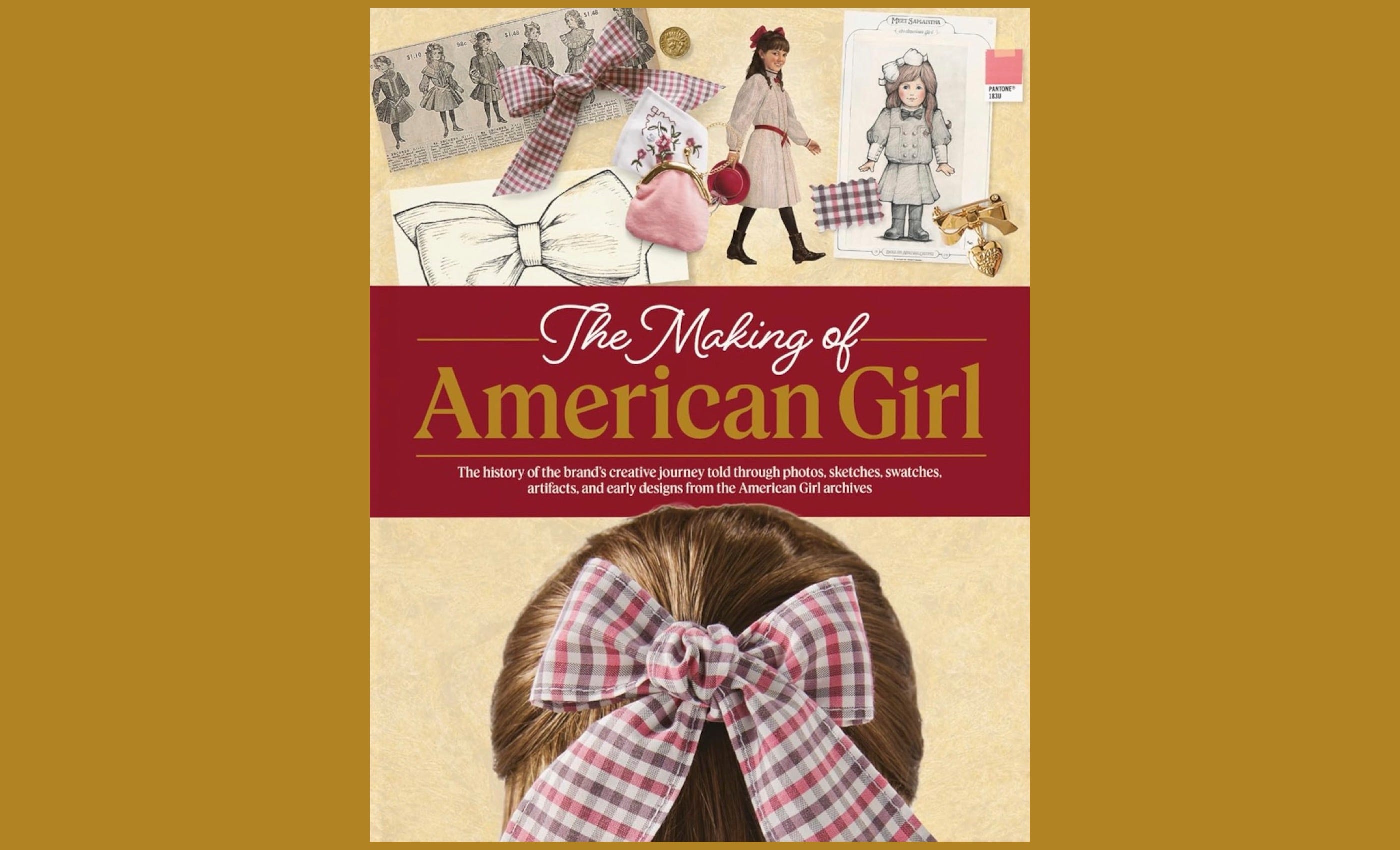
This month, in celebration of the 40th anniversary of those iconic dolls — and the books, which, let’s be honest, we never read — comes the publication of The Making of American Girl, a gargantuan, five-pound photobook large enough to serve tea on.
Written in the earnest tones one might employ to describe the art collection at the Vatican, the book provides an “unprecedented exploration of American Girl’s archives.”
Here you’ll meet the founder, Pleasant Rowland, who “never wandered from the elegant simplicity of her original vision” for a publishing company, a clothing company, a toy company, a direct-mail company, a theater, a magazine, and a chain of retail stores.
Sketches and drafts, along with fabric swatches and early catalog copy, eventually lead to individual chapters featuring six of the dolls, shown in two-page, life-size photos and many shots of their clothing and accessories.
If you’d like my copy of this lavish book, be the 40th reader to send me an email with the subject line The Making of American Girl (email).◆
The cracked lookingglass
James Joyce’s Ulysses takes place on a single day, but good luck getting through it in 24 hours.
If that 800-page Irish classic has become your white whale — speaking of another tome you need to tackle — consider joining an online group called “Reading Ulysses in 80 Days.”
Now in its fifth year, this worldwide collective of Joyce devotees will begin Ulysses on Monday, June 1.
Led by Professor Cliona O’Farrelly at Trinity College Dublin, the “structured reading” tackles just 10-15 pages a day.
Each Wednesday you can join live conversations with Joyce scholars, writers, artists, and fellow readers.
As Leopold Bloom says, “Think you’re escaping and run into yourself. Longest way round is the shortest way home.”
For more information, check out the program’s new website.
Is this the year you finally read Ulysses? Yes I said yes I will Yes.◆
Literary Awards and Prizes
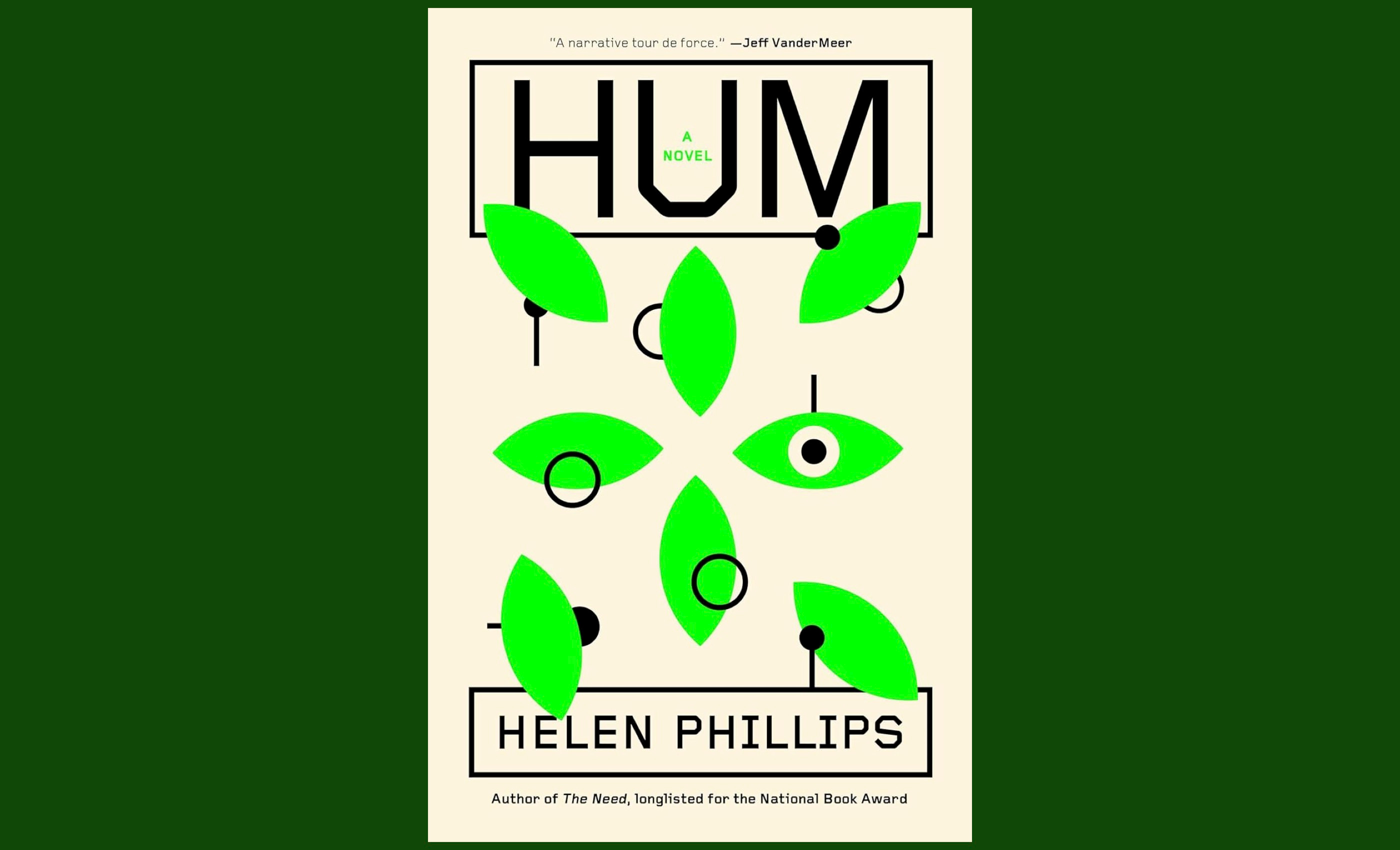
Hum, by American writer Helen Phillips, won the Climate Fiction Prize in London on Wednesday. This relatively new award, worth about $13,400, honors “the most inspiring novel tackling the climate crisis.” Phillips’s dystopian novel is about a woman who loses her job to a robot — a “hum” — and then subjects herself to a medical experiment to avoid surveillance. Writing in The New Yorker, Katy Waldman described Hum as a story in which people “bathe in the beauty of screens because they’ve made the physical world ugly.”
The School for Thieves, by Peter Burns, was named the overall winner of the B&N Children’s & YA Book Awards. Burns’s adventure novel for kids 10 to 14 is about a young pickpocket sent to an elite boarding school for crooks. Sounds a bit like Harry Potter With Sticky Fingers. Parents of reluctant readers, take note: Kirkus says it’s clever, gripping, and fast-paced.
Shrey Parikh, an eighth-grader from Rancho Cucamonga, Calif., won more than $50,000 at the Scripps National Spelling Bee last night in D.C. by correctly spelling 32 words in a lightning-round tiebreaker that lasted 90 seconds. His winning word was “bromocriptine,” which, as we all know, is a polypeptide alkaloid that mimics the activity of dopamine.◆
Picture This
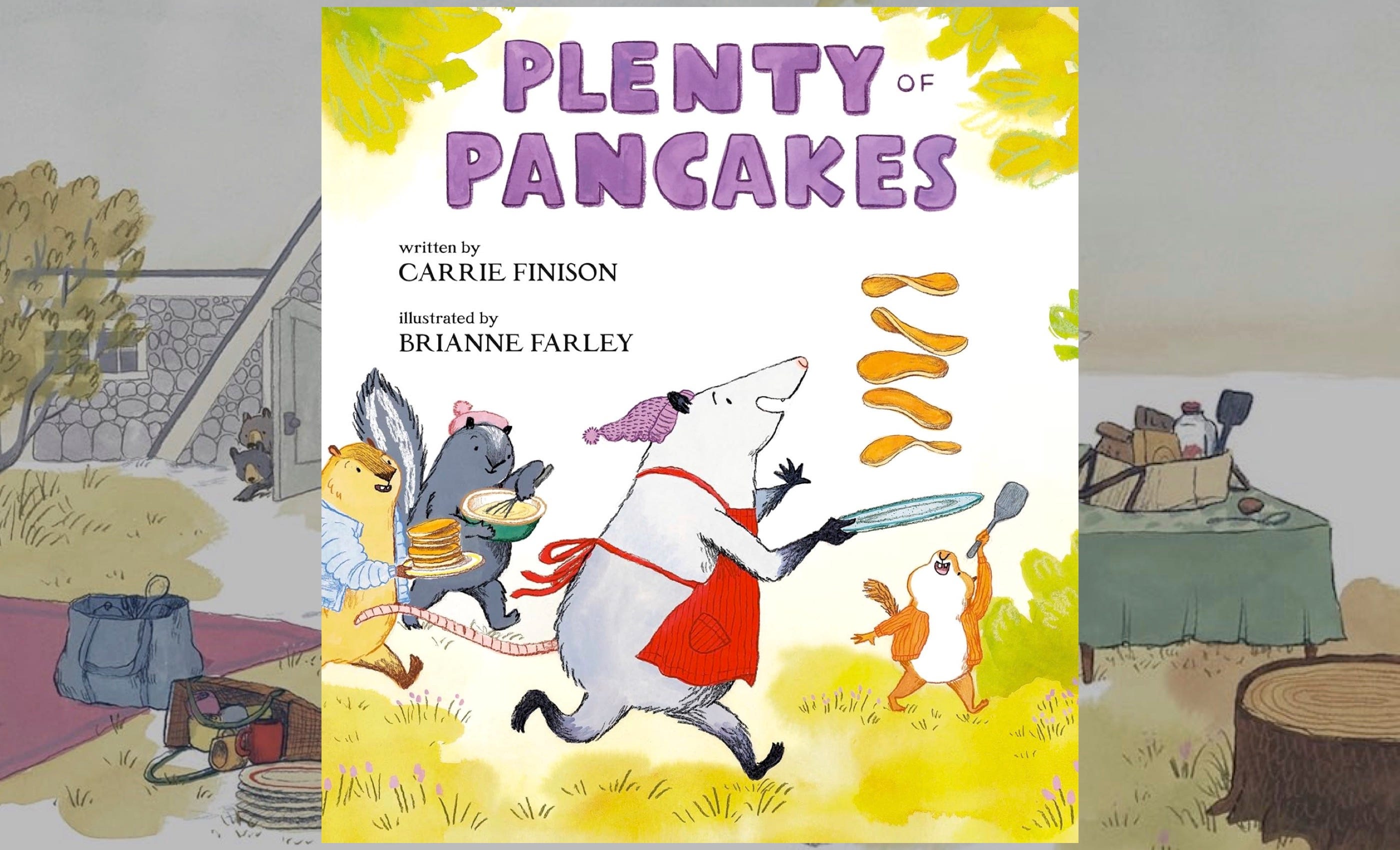
To my mind, there are never enough pancakes, so I was predisposed to savor Carrie Finison’s deliciously silly picture book.
This story opens in the spring when Topsy, an extremely thoughtful opossum, begins preparing a breakfast feast for her good friend LouAnn, the bear.
She follows her recipe, whisking and whipping,
pouring and measuring, frying and flipping.
Problem is, every time she sets out “five perfect pancakes, hot from the pan,” they vanish the moment her back is turned.
“It must have been squirrels,” Topsy thinks, as she begins whipping up another batch — but of course those pancakes eventually vanish, too.
Kids will enjoy the repetition and rising exasperation, sweetly conveyed in Finison’s rhyming text. And in Brianne Farley’s illustrations, they’ll love spotting the little bear cubs who are clandestinely nabbing Topsy’s pancakes.
Plenty of Pancakes, for ages 3 to 7, is a perfect book to start the day with a stack of you-know-what. Ambitious parents or grandparents could even integrate this story into a fun cooking lesson.
Look closely at the illustrated endpapers, and you’ll see suggestions for toppings any cub (or kid) would devour.◆
This Week’s Poem
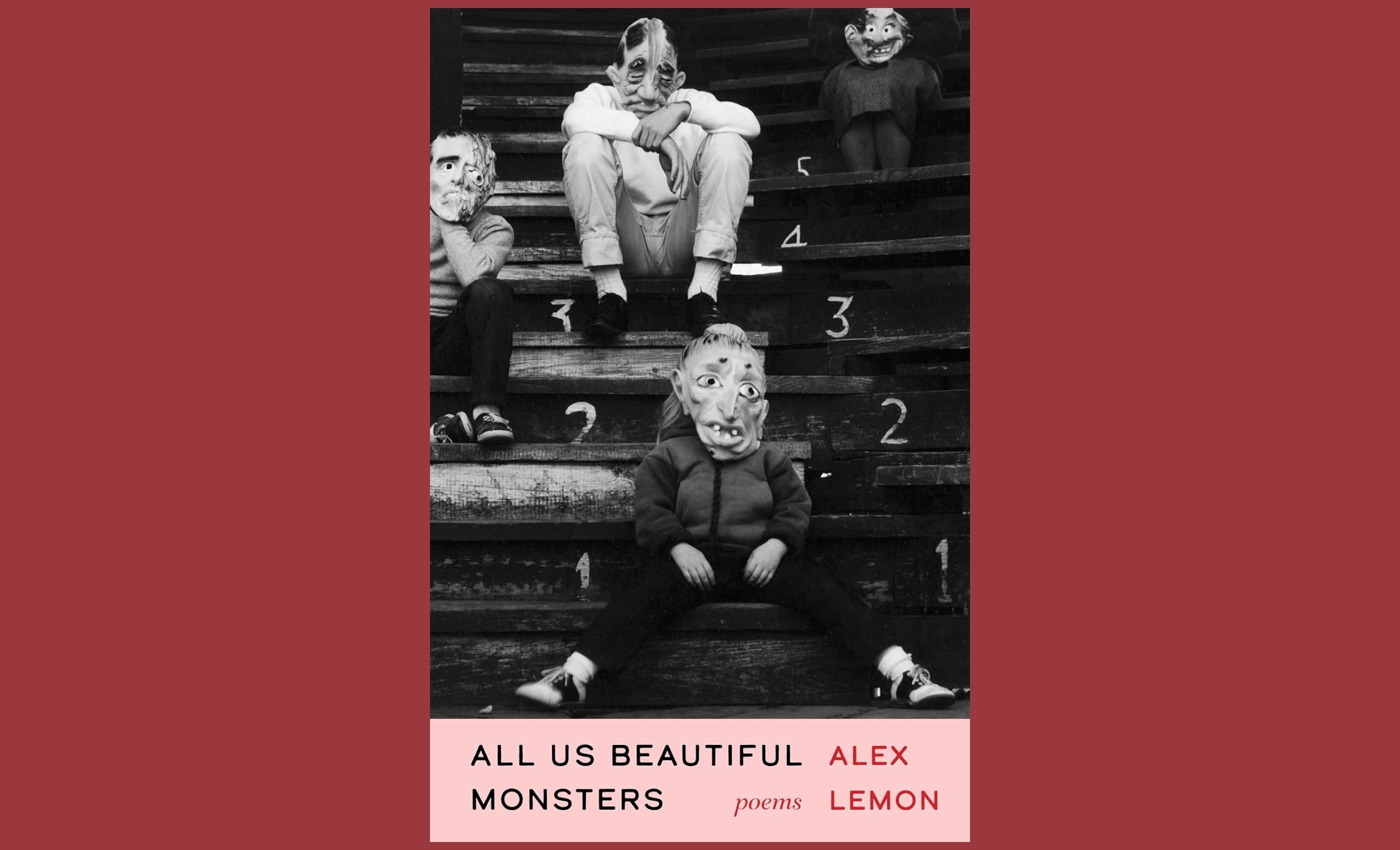
Alex Lemon’s new collection, All Us Beautiful Monsters, is unexpectedly funny, ghastly, and profound.
This is a writer who finds “so many little / Revelations / In morning’s waltzing.” But in another poem, he fears, “The truth is being alive boils / You down into a toxic mush.”
Yes, there are days like that. Here’s a collection that somehow embraces despair and beats the hell out of it at the same time.
Please Stop Talking Let Us Listen
You are more likely
To be stung bloated
& dead, by a swarm
Of bees, than be killed
By a gun-toting burglar.
Fingernails grow faster
Than toenails. Every four
Days you have a new
Stomach lining. You will
Produce a swimming pool
Of saliva in your life-
Time. Eating a backpack
Of prunes each day
Will make you piss
Rainbows. Hallucinogens,
Diuretics in the gas-tasting
Tap water. The beach bristles
With glass shards & Triops.
Dig yourself that hole
With so much fervor
That you can taste the hot
Damn in the world
Firecracking around you.
Stare into the sun. Pay
Attention to what the clouds
Say. Everything begins, then
Ceases to exist before beginning
Once again. Throatsilver. Stardust.
Deadflesh. Insects are being
Born inside you & it burns.
Excerpted from “All Us Beautiful Monsters: Poems.” Copyright © 2026 by Alex Lemon. Published by Milkweed Editions. Reprinted with permission of the publisher. All rights reserved.◆
The Writing Life
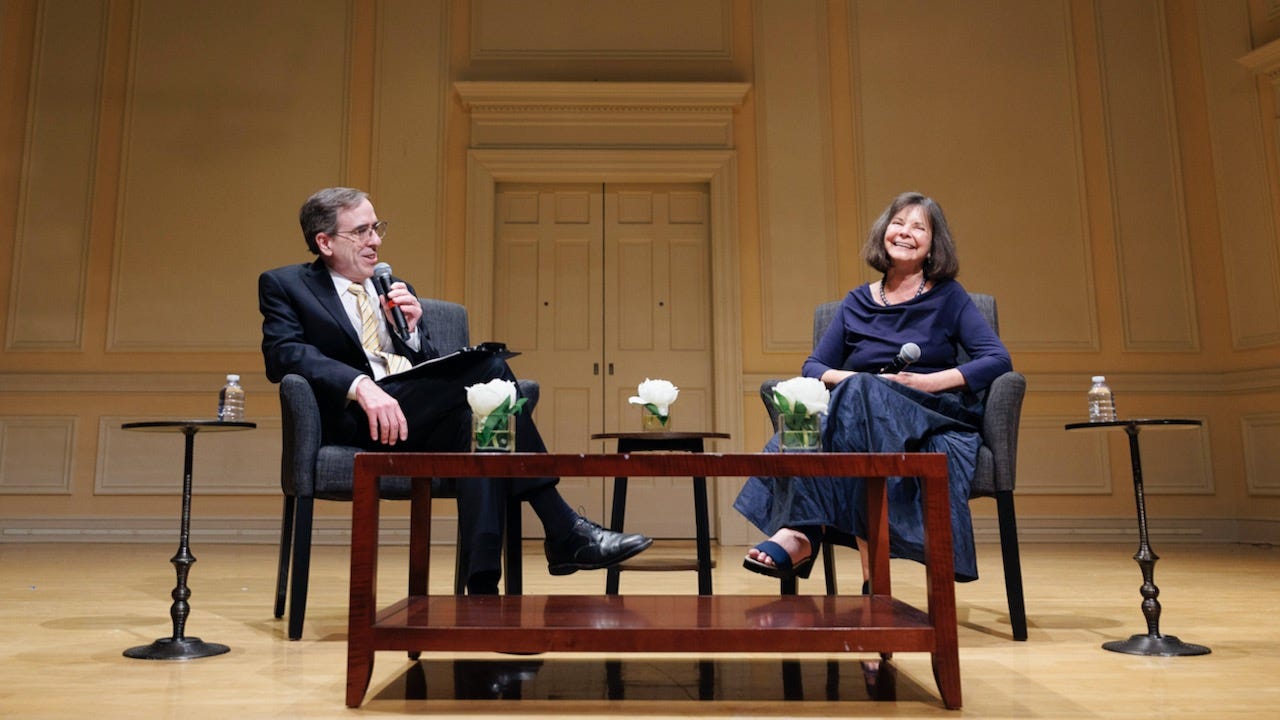
Geraldine Brooks, winner of the 2025 Library of Congress Prize for American Fiction, returned to the Library last night to talk about her career as a journalist and novelist.
The annual Prize for American Fiction honors “an American literary writer whose body of work is distinguished by not only its mastery of the art, but also its originality of thought and imagination.”
Brooks won a Pulitzer Prize for her 2005 novel March. Her other novels include Year of Wonders, People of the Book, Caleb’s Crossing, The Secret Chord, and, most recently, Horse. Last year, she published Memorial Days, a memoir about the sudden death of her husband, the journalist and historian Tony Horwitz.
Brooks told the audience she became interested in writing very early, when her father, a proofreader at The Sydney Morning Herald, pulled a newspaper off the press and handed it to her. “It was still warm.”
Years later, as a foreign correspondent for The Wall Street Journal, she was jailed while investigating Shell’s operations in Nigeria. Unsure when or if she’d be released, she realized she wanted to start a family. The desire for a different kind of life helped push her toward writing novels.
But she still feels grounded in the skills she honed as a journalist. The most unlikely details in her novels, she noted, are the historically accurate ones.
Quoting Mark Twain, she observed that truth is stranger than fiction because “fiction is obliged to stick to possibilities; truth isn’t.”
Clippings
This week’s review is Maggie O’Farrell’s Land, a novel about an Irish family in the decades after the Great Hunger, navigating grief, migration, and mysteries buried beneath the soil (review).
The house that Jack London built for his half-sister in California’s Sonoma Valley is for sale for $2.3 million (WSJ).
Jonathan Anderson has designed a Very Hungry Caterpillar tote bag for Christian Dior. “The medium style has a practical design that can be carried by hand, worn over the shoulder or crossbody.” Just $3,800 (hurry).◆
I couldn't help notice that the $3,800 Very Hungry Caterpillar tote bag from Christian Dior is now sold out. I'm going to assume that Substack readers crashed the site.
Ron, I am appreciating how much more your sense of humor is allowed to shine now.